

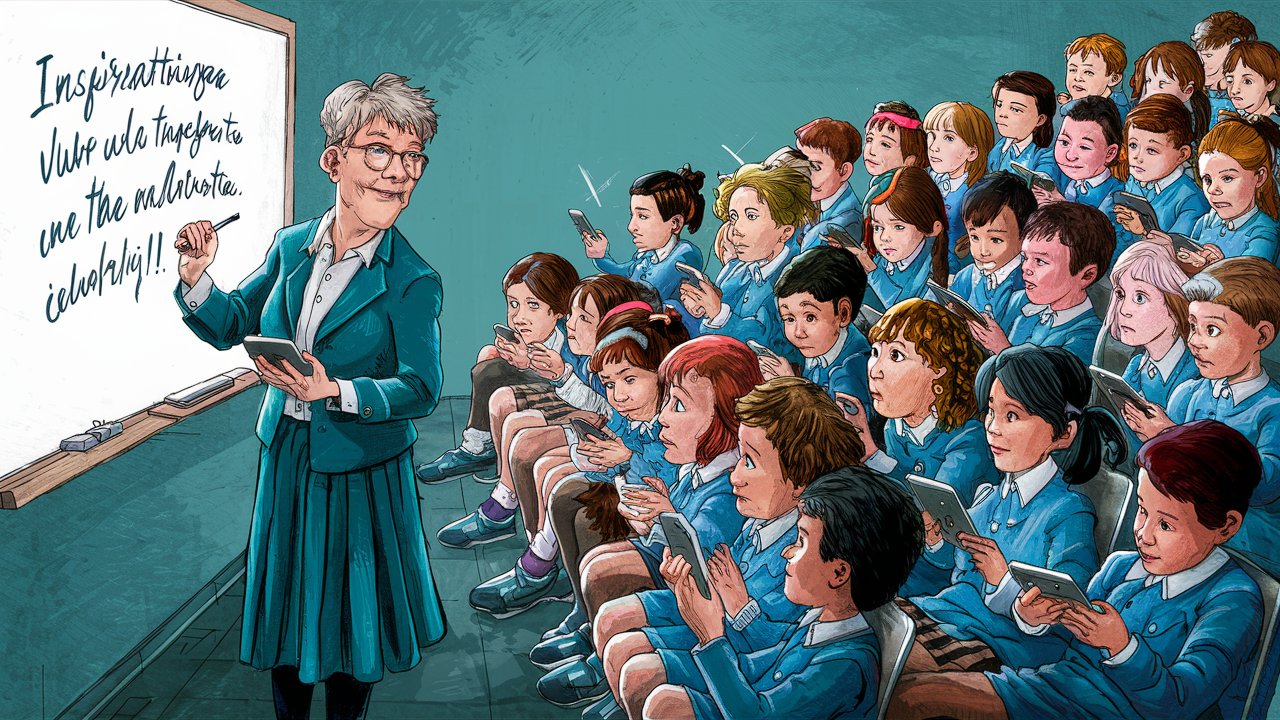
In the rapidly evolving landscape of educational technology, a significant gap persists—a gap not of accessibility, but of alignment. With over fifteen years nestled in the nexus of technology and education, I’ve observed firsthand the widening chasm between the digital tools that educators are comfortable with and those that our primary school children navigate with intuitive ease. This mismatch raises a critical question: Are we doing enough to engage children in the modern classroom, what are the challenges, and how can we bridge this gap without losing control?
Our young learners today are digital natives, born into a world where information is at their fingertips, and digital interaction is second nature. They swipe before they write, and they interact with screens in ways that can seem almost innate. Yet, within the confines of many educational settings, we find ourselves clinging to digital tools and methodologies that, while tried and true, may not resonate with the experiential learning styles of today’s students.
The Gap
The gap is evident. On one side, we have educators, many of whom have gradually acclimatized to digital tools over the years, often favoring reliability and familiarity over innovation. On the other side, we have our students, for whom digital technology is not just a tool but an integral part of their social fabric and daily routines. This dissonance is not merely about the choice of technology but about how we engage our students in meaningful, interactive learning experiences.
The Challenges
The challenges in bridging this gap are multifaceted. Firstly, there is the issue of professional development. Teachers need ongoing support and training to integrate new technologies effectively into their teaching strategies. Secondly, there is the challenge of resources. Not all schools have the budget to constantly update their technology or to provide one-to-one devices for students. Lastly, there’s the issue of control. Educators often express concern over maintaining discipline and focus in a tech-rich environment, fearing that more interactive and engaging tools might lead to more distractions.
Bridging the Gap
So, how do we bridge this gap? The answer lies in balance and integration. We must start by acknowledging that technology is not the enemy of focus and discipline but can be its ally if used thoughtfully. Integrating technology in the classroom doesn’t mean giving free rein to all forms of digital interaction but selecting those that enhance learning objectives.
- Professional Development: Continuous, tailored professional development opportunities for teachers can help them become proficient in new technologies and pedagogical approaches. This training should not only focus on the “how” but also the “why” behind integrating specific digital tools.
- Student-Centered Learning: We need to shift towards more student-centered learning environments where technology serves as a bridge rather than a barrier. By incorporating project-based learning, gamification, and other interactive methods, we can use technology to cater to diverse learning styles.
- Parental Involvement: Engaging parents in the conversation about educational technology and its role in learning can help create a more supportive environment for integrating new tools in the classroom.
- Pilot Programs: Implementing pilot programs for new technologies can help educators and administrators assess their effectiveness and make informed decisions about wider implementation.
Conclusion
The journey to effectively engaging our young learners in the modern classroom is ongoing and ever-evolving. As educators, it is our responsibility to ensure that we are not just keepers of knowledge but facilitators of learning in a world where digital literacy is paramount. By embracing change, addressing challenges head-on, and finding the balance between control and innovation, we can bridge the digital divide and create more inclusive, engaging, and effective learning environments for all our students.